

Image
With earth day quickly approaching on April 22nd it is the perfect time to learn how to live more sustainably. One of the best ways to protect the plant while saving money is through thrifting.
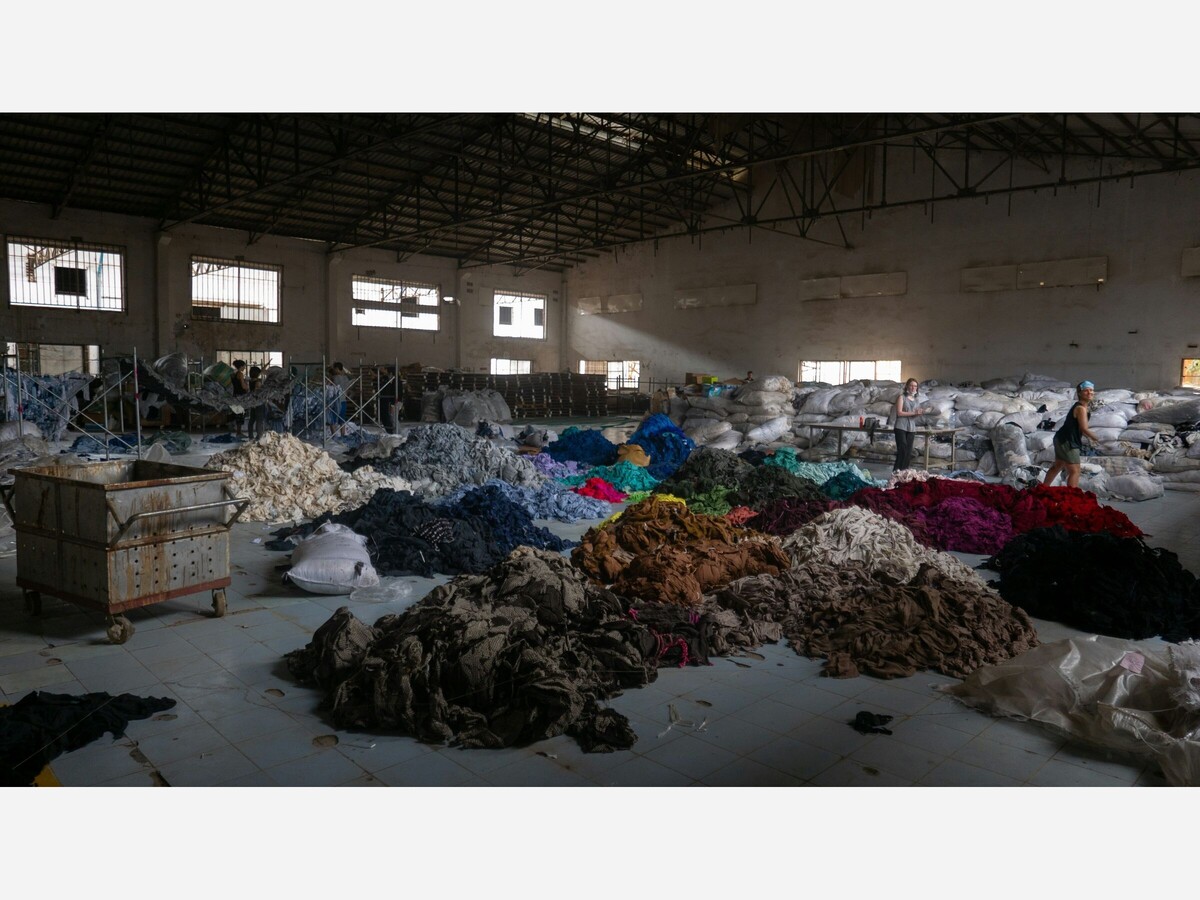
As overconsumption and “fast fashion" become more normalized, it is important to realize these trends lead directly to deforestation and resource depletion.
The most notable option is Goodwill, with locations in Hudson and Amherst. Goodwill offers excellent prices on not only clothes but vinyls, CDs, and even furniture.
Savvy shoppers can look for“color tag sales,” which offer a 50% discount based on the tag color of the day. Some locations also feature the infamous “bins”, where every pound of items is just $2. A great way to save tons of money and the plant.
Beyond the deals, Goodwill has a significant community impact. They have diverted 4.4 million pounds of goods from the landfills, using the profits to fund regional job training/placement programs.
As the weather warms, flea markets are also becoming prominent in the area including a popular site in Hudson. These markets offer a great way to shop while spending time outdoors.
Shopping at flea markets reduces you carbon footprint by keeping goods in circulation. By giving items a new purpose, you ensure they do not end up in a landfill
The environmental stakes are high. Each year over 200 million trees are cut down to support the textile production required for fast fashion.
This deforestation leads to increased CO2 emissions, accelerating global warming. Fast fashion even contributes to the destruction of the Amazon Rainforest, where companies are cutting down trees in order to produce leather products.
While cheap clothes are tempting, the environmental cost is staggering. Is it worth it to constantly purchase new clothes when the planet is at stake? The point is, we must take into account where fast fashion products usually end up and what that does.
When companies produce new products, it pollutes water systems and dries up water sources. For example, it takes about 700 gallons of water to produce one shirt, and 2000 gallons to produce jeans.
Furthermore, microplastics such as polyester and nylon do not biodegrade, so 35% of these materials are found in the ocean. Not only that, but the production of microplastics uses up large amounts of fossil fuels due to being largely energy-intensive.
The fast fashion industry is responsible for 10% of global pollution. Its carbon footprint is 11 times higher than traditional fashion, accounting for 1.2 million tons of carbon emissions annually.
Choosing to shop second-hand can reduce the carbon emissions associated with your wardrobe by up to 90%. This Earth Day, consider skipping the mall and visiting a local thrift store instead.
. Works Cited:
David Suzuki Foundation. “The Environmental Costs of Fast Fashion.” David Suzuki Foundation, 2025, davidsuzuki.org/living-green/the-environmental-cost-of-fast-fashion/.
Maiti, Rashmila. “The Environmental Impact of Fast Fashion, Explained.” Earth.org, 20 Jan. 2025, earth.org/fast-fashions-detrimental-effect-on-the-environment/.
Helwagen, Lindey. “Fast Fashion and Its Devastating Impacts on Forests Revealed.” Earth Day, 31 July 2023, www.earthday.org/fast-fashion-and-its-devastating-impacts-on-forests-revealed/.
Li, Zhikun, et al. “The Carbon Footprint of Fast Fashion Consumption and Mitigation Strategies-a Case Study of Jeans.” Science of the Total Environment, vol. 924, no. 171508, 7 Mar. 2024. ScienceDirect, www.sciencedirect.com/science/article/pii/S0048969724016498#f0025, https://doi.org/10.1016/j.scitotenv.2024.171508.
Clarke, Rebekah. “Fast Fashion’s Carbon Footprint.” The Carbon Literacy Project, The Carbon Literacy Trust, Aug. 2021, carbonliteracy.com/fast-fashions-carbon-footprint/.